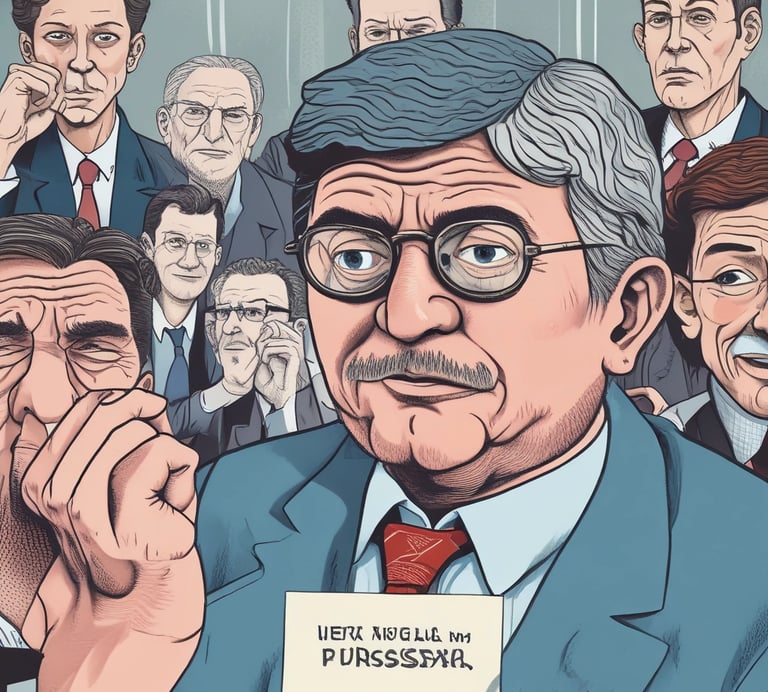

Should whistleblowers be rewarded or punished?
Should Whistleblowers Be Rewarded or Punished?
“Told the Truth, Got Fired. 10/10 Would Not Recommend.”
1. Warm-up Questions (Discussion)
What does the term whistleblower mean?
Can reporting wrongdoing ever be a bad thing? Why or why not?
Should loyalty to an employer be more important than telling the truth?
Can whistleblowers be trusted, or do they cause unnecessary trouble?
2. Vocabulary Exercise – Match the Words
Match the words (1–8) with their correct definitions (A–H).
Words
Whistleblower
Misconduct
Transparency
Retaliation
Confidential
Accountability
Corruption
Ethics
Definitions
A. Actions that are dishonest or illegal
B. Rules about what is right or wrong
C. Secret; not meant to be shared
D. A person who reports illegal or unethical behavior
E. Punishment or negative actions taken in revenge
F. Being open and honest about actions and decisions
G. Taking responsibility for one’s actions
H. Abuse of power for personal gain
3. Fun Vocabulary Exercise – Sentence Repair
Each sentence has one incorrect word. Replace it with the correct word from the box.
Word box:
retaliation – confidential – ethics – misconduct – transparency
Whistleblowers often face celebration from their employers.
Companies should protect public information shared by employees.
Strong profits are necessary to prevent corruption.
Reporting illegal behavior helps stop workplace success.
Government organizations need more secrecy to build trust.
4. Reading Article
Whistleblowers: Protectors of Truth or Betrayers of Trust?
Whistleblowers play a controversial role in modern society. They are individuals who expose illegal, unethical, or dangerous activities within organizations, often at great personal risk. While some people see whistleblowers as heroes who protect the public, others view them as traitors who damage trust and stability. The question remains: should whistleblowers be rewarded or punished?
Supporters of whistleblowers argue that they are essential for transparency and accountability. Many serious scandals involving corruption, environmental damage, or public safety violations would never have been revealed without insiders speaking up. In this view, whistleblowers act as a final defense when internal systems fail. Rewarding them encourages honesty and helps prevent future misconduct.
Another argument in favor of whistleblowers is the public interest. When governments or corporations hide information that could harm people, silence becomes dangerous. Whistleblowers often expose risks that affect millions, such as unsafe products, financial fraud, or illegal surveillance. Without legal protection or incentives, individuals may choose to remain silent, allowing harm to continue.
However, critics believe whistleblowers can cause serious damage. Organizations depend on trust and confidentiality to function effectively. When employees leak information, especially confidential data, they may weaken national security, harm innocent people, or damage a company’s reputation unfairly. From this perspective, whistleblowing can create chaos rather than solutions.
Another concern is retaliation. Whistleblowers often face job loss, legal battles, or harassment, which can discourage others from speaking up. Some argue that these risks are too high, and that employees should address issues internally instead. Yet internal reporting is not always effective, especially when the wrongdoing involves senior management.
Finally, ethical questions complicate the issue. Is it right to break rules in order to expose wrongdoing? Some argue that ethics demand speaking up regardless of personal risk. Others say that loyalty and discretion are equally important. Balancing personal responsibility, societal good, and organizational stability is not easy.
In conclusion, whistleblowers occupy a complex space between heroism and betrayal. Rewarding them can promote honesty and public safety, but punishing them can reinforce loyalty and stability. The debate continues, forcing society to consider the value of truth, accountability, and courage.
5. Grammar Exercise 1 – Modals of Obligation
Complete the sentences using must, should, shouldn’t, or don’t have to.
Whistleblowers __________ be protected from retaliation.
Organizations __________ hide illegal activity.
Employees __________ report wrongdoing if they notice it.
Companies __________ ignore complaints from insiders.
Society __________ balance loyalty and honesty carefully.
6. Grammar Exercise 2 – Cause and Effect
Complete the sentences using because, so, due to, or as a result.
Many employees stay silent __________ fear of retaliation.
Whistleblowers exposed corruption, __________ authorities investigated the case.
Confidential information was leaked __________ ethical concerns.
Some organizations lost public trust __________ employees reported misconduct.
Laws were changed __________ whistleblowers revealed unsafe practices.
7. Case Study & Role Play – Corporate Ethics Meeting
Situation:
A large company has been accused of environmental violations. An employee leaked evidence to the press. A meeting is held to discuss the consequences and potential rewards or punishments for whistleblowers.
Group Roles (4 Groups):
Group 1 – Whistleblower
Explain why they exposed the wrongdoing
Ask for protection and possibly a reward
Argue the public’s right to know
Group 2 – Company Executives
Focus on confidentiality and trust
Argue that leaks harm the company’s reputation
Decide on disciplinary actions
Group 3 – Government Regulators
Assess legal violations and consequences
Ensure public safety is prioritized
Consider incentives or protections for whistleblowers
Group 4 – Journalists & Citizens
Ask questions about transparency and ethics
Represent public opinion
Highlight social impact of the leak
Task:
Each group prepares three main arguments
Conduct a 10–15 minute role-play meeting
The company or government group announces the final decision