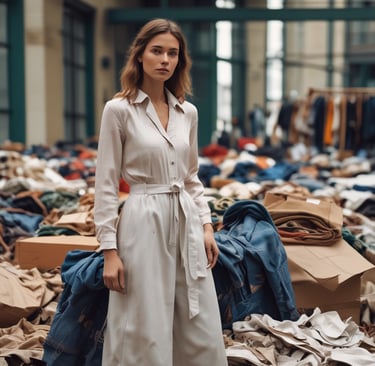
Is Fast Fashion Destroying the Planet?
Is Fast Fashion Destroying the Planet?
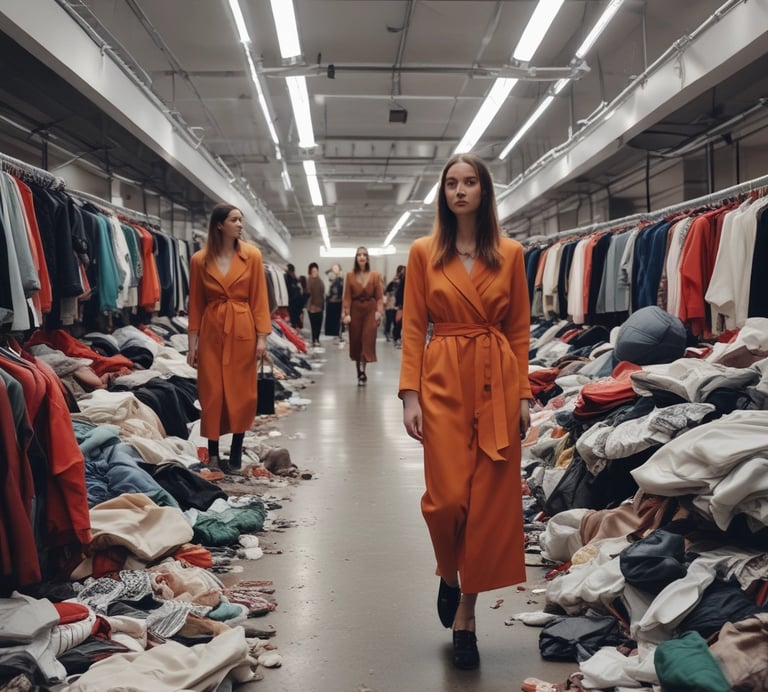
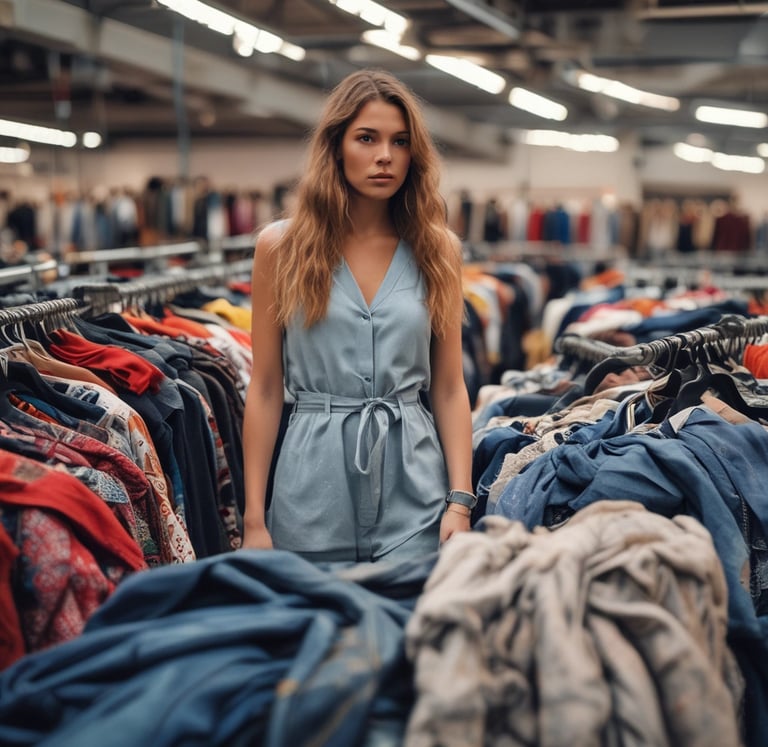
“I Only Wore It Once… and It Took 200 Years to Decompose.”
1. Warm-up Questions (Discussion)
Where do you usually buy your clothes?
How often do you buy new clothes?
Do you think cheap clothing has hidden costs? Why or why not?
Would you pay more for clothes that are better for the environment?
2. Vocabulary Exercise – Match the Words
Match the words (1–8) with their correct definitions (A–H).
Words
Fast fashion
Sustainability
Textile waste
Carbon footprint
Labor conditions
Consumerism
Ethical
Recycling
Definitions
A. The impact human activities have on the environment
B. The habit of buying more than is necessary
C. Clothing produced quickly and cheaply to follow trends
D. Reusing materials to reduce waste
E. Working conditions experienced by employees
F. Producing goods in a way that protects the future of the planet
G. Large amounts of discarded fabric and clothing
H. Related to what is morally right or fair
3. Fun Vocabulary Exercise – Fill the Gaps
Complete the sentences using words from the box.
Word box:
fast fashion – ethical – waste – sustainability – consumerism – recycle
__________ encourages people to buy clothes they don’t really need.
Many people are unaware of how much clothing __________ they produce each year.
Buying __________ brands can help improve labor conditions.
__________ is popular because it is cheap and trendy.
To protect the environment, we should __________ old clothes instead of throwing them away.
__________ focuses on protecting resources for future generations.
4. Reading Article
Fast Fashion: Trendy Clothes, Serious Consequences
(≈650 words)
Fast fashion has changed the way people buy clothes. Brands now produce new collections every few weeks, offering trendy styles at very low prices. While this makes fashion more accessible, it has also raised serious concerns about environmental damage, labor conditions, and long-term sustainability. As a result, many people are asking an important question: is fast fashion destroying the planet?
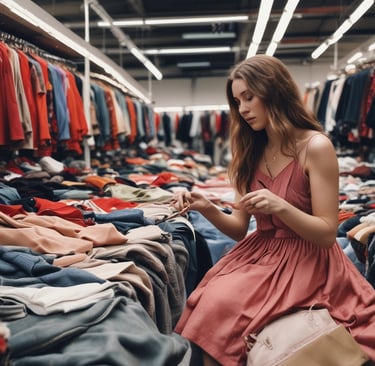
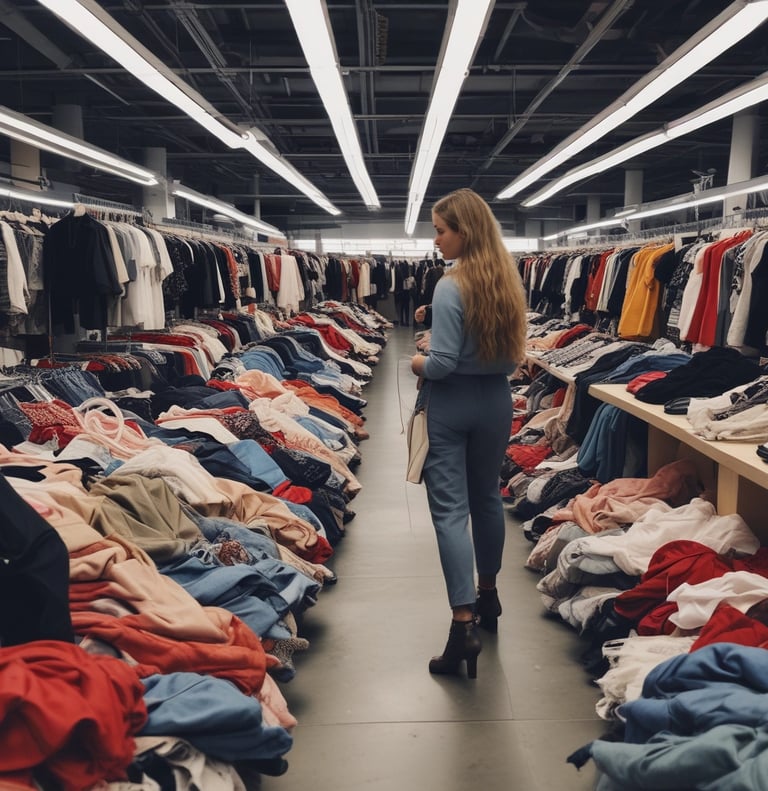
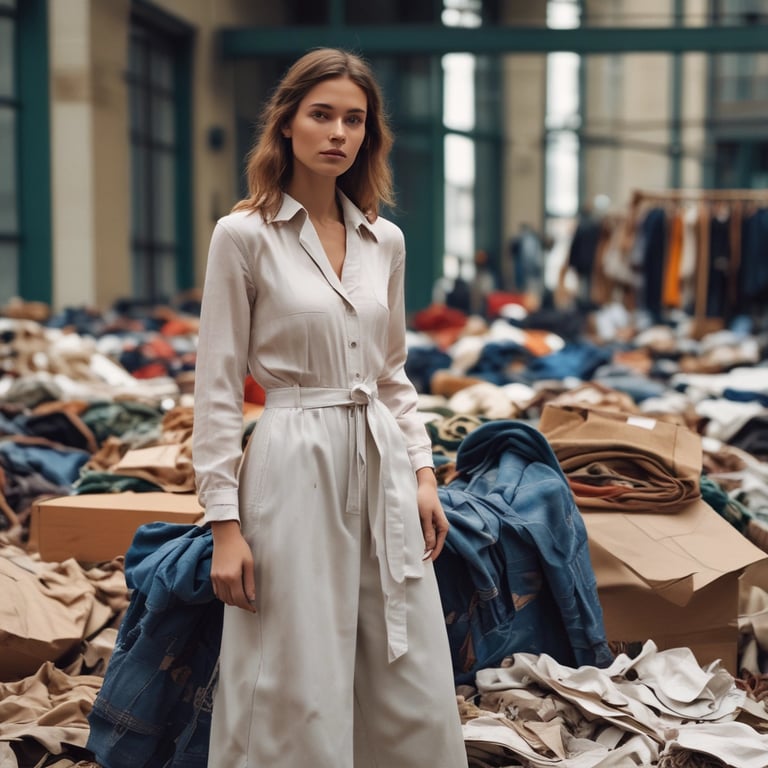
One major problem linked to fast fashion is textile waste. Because clothes are cheap and trends change quickly, consumers often wear items only a few times before throwing them away. Millions of tons of clothing end up in landfills every year, where synthetic fabrics can take hundreds of years to decompose. Even donated clothes are not always reused and are often shipped to developing countries, where they can damage local economies.
Another serious issue is pollution. The fashion industry is one of the largest contributors to global carbon emissions. Producing fabrics, dyeing textiles, and transporting clothing across the world all require large amounts of energy and water. In some regions, rivers have been polluted by chemicals used in clothing production, harming wildlife and local communities. These environmental costs are rarely reflected in the low prices consumers pay.
Labor conditions are also a major concern. Fast fashion relies heavily on low-cost labor, often in developing countries. Workers may face long hours, unsafe environments, and extremely low wages. Critics argue that the true cost of cheap clothing is paid by workers who are not treated fairly. Although some brands promise improvements, progress has been slow and difficult to monitor.
Supporters of fast fashion argue that it creates jobs and allows people with lower incomes to afford modern clothing. They claim that banning or heavily restricting fast fashion could harm economies that depend on textile production. In addition, some brands are beginning to invest in sustainability programs, such as using recycled materials or reducing water use.
However, critics respond that these efforts are often too small or mainly used for marketing. They believe real change requires reducing overproduction and overconsumption. Instead of buying more clothes, consumers could choose higher-quality items, repair what they own, or shop second-hand. Small changes in consumer behavior could have a large impact if adopted widely.
Ultimately, fast fashion reflects a larger issue: consumerism. Society has become used to constant novelty and low prices, often ignoring long-term consequences. Addressing the environmental damage caused by fast fashion requires action from governments, companies, and consumers alike.
In conclusion, while fast fashion offers affordability and variety, it also causes significant environmental and social harm. Whether it is destroying the planet depends on how quickly and seriously the industry and consumers are willing to change. Without meaningful reform, the cost of cheap clothes may be far higher than we realize.
5. Grammar Exercise 1 – Present Perfect vs. Past Simple
Choose the correct form of the verb.
The fashion industry __________ (produce) large amounts of waste in recent years.
Many brands __________ (start) sustainability programs last decade.
Consumers __________ (buy) more clothes than ever before.
Factories __________ (pollute) rivers in several countries.
Governments __________ (introduce) new environmental rules recently.
6. Grammar Exercise 2 – Expressing Cause and Result
Complete the sentences using because, so, due to, or as a result.
Many clothes are thrown away __________ they are cheaply made.
Fast fashion is affordable, __________ people buy more than they need.
Rivers were polluted __________ chemical waste from factories.
Consumers are becoming more aware; __________, demand for ethical brands is growing.
Clothing prices are low __________ poor labor conditions.
7. Case Study & Role Play – Fashion Industry Debate
Situation:
A government is considering strict environmental regulations for clothing companies. A public debate is organized to decide the future of fast fashion.
Group Roles (4 Groups):
Group 1 – Fast Fashion Brands
Defend affordability and job creation
Argue against strict regulations
Propose gradual improvements
Group 2 – Environmental Activists
Highlight pollution and waste
Demand strong sustainability rules
Promote reduced consumption
Group 3 – Factory Workers & Unions
Focus on wages and safety
Fear job losses but want fair treatment
Demand ethical labor standards
Group 4 – Consumers & Journalists
Ask critical questions
Represent public opinion
Balance price, ethics, and environment
Task:
Each group prepares three main arguments
Hold a 10–15 minute role-play discussion
The government (teacher) announces the final decision