Drone Delivery Services – Convenience or Chaos?
Drone Delivery Services – Convenience or Chaos?
“Drone delivery: finally, a way for your pizza to arrive faster than your patience.”
1. Warm-Up Questions
Should companies use drones for delivering packages, food, or medical supplies?
Do drone deliveries improve efficiency or create safety and privacy risks?
How would widespread drone use affect jobs in logistics and delivery?
Should drones be allowed to fly over private property?
2. Vocabulary Practice – Use the Words in Context
Word Bank:
environmental impact
autonomous vehicles
privacy concerns
logistics
drone delivery
cost efficiency
regulatory compliance
air traffic
Companies like Amazon are investing in ____________ to deliver parcels within hours.
Drones must navigate carefully to avoid interfering with existing ____________.
Modern supply chains rely on advanced ____________ to track packages and optimize routes.
Government rules require ____________ before drones can operate commercially.
Many citizens worry about noise and surveillance, raising ____________ issues.
Using drones can improve ____________ by reducing fuel and labor costs.
Drones are a type of ____________ that operate without direct human control.
The introduction of drones may reduce carbon emissions, lessening ____________ compared to traditional delivery trucks.
Fun Vocabulary Game – “Drone Delivery: Yay or Nay?”
Decide which term fits best:
Flying robots bringing groceries to your door are (drone delivery / air traffic).
Minimizing traffic jams and fuel use through drones improves (cost efficiency / privacy concerns).
Monitoring drones to avoid collisions with planes is part of (air traffic / logistics).
Rules requiring permits for drone flights involve (regulatory compliance / environmental impact).
Worries about cameras on drones relate to (privacy concerns / autonomous vehicles).
Machines operating without pilots are examples of (autonomous vehicles / drone delivery).
Drone Delivery Services – Efficiency, Risk, or Both?
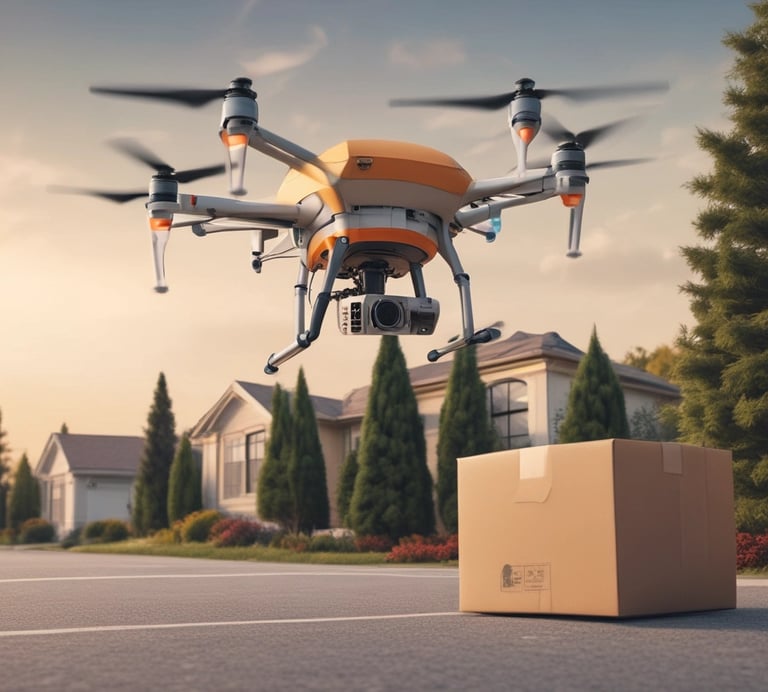
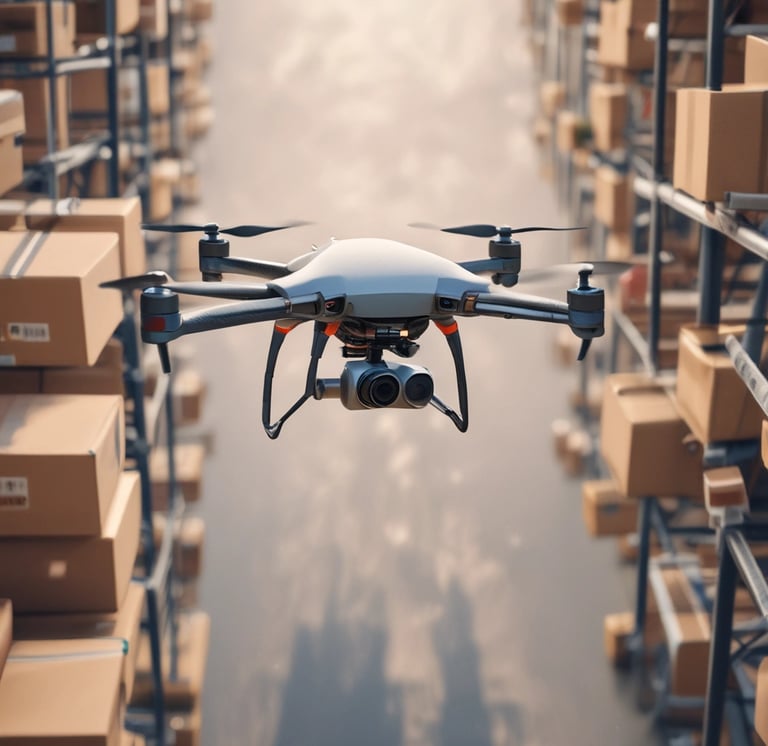
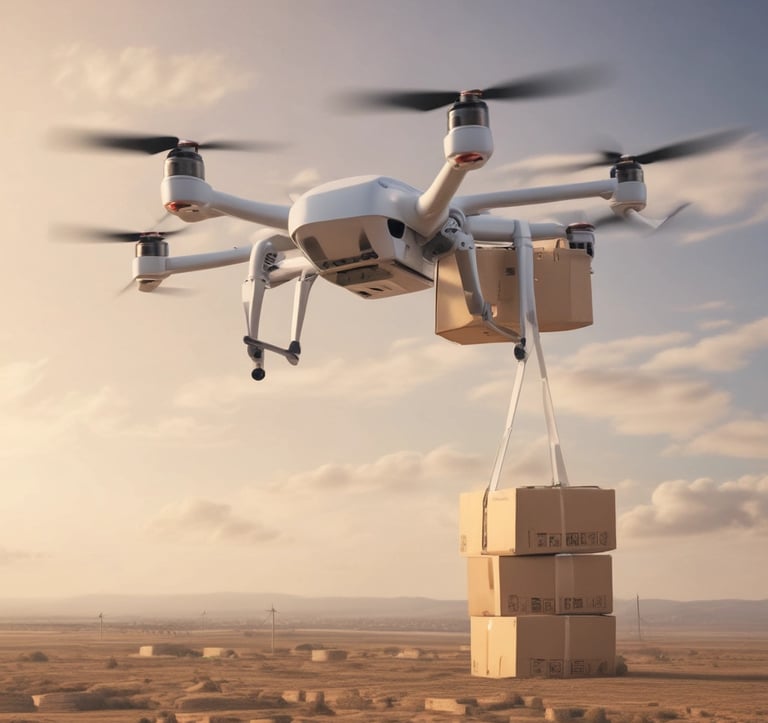
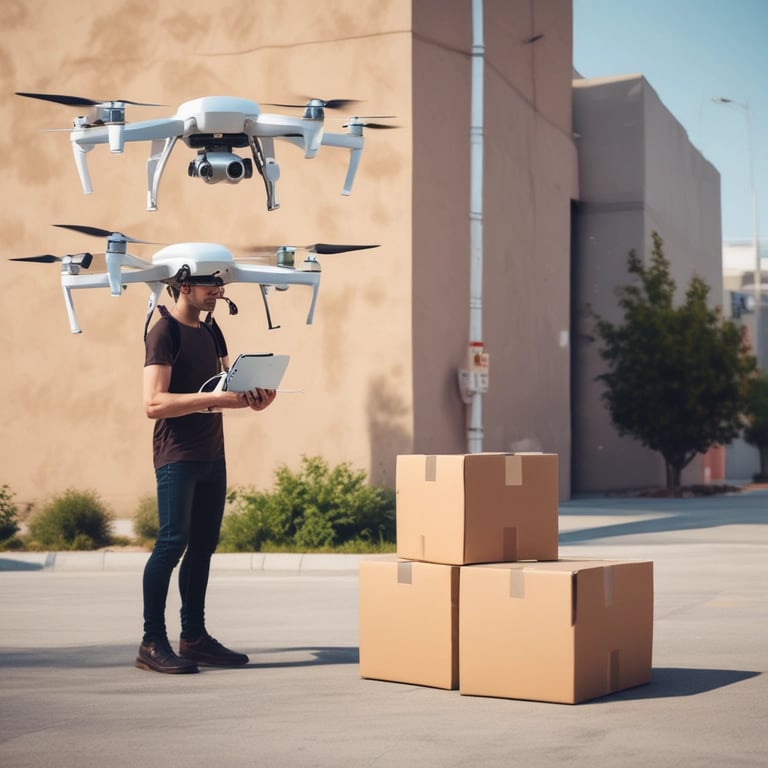
Drone delivery services are rapidly gaining attention as a futuristic solution for fast and convenient logistics. From online retailers delivering packages to medical supplies reaching remote areas, drones promise to transform supply chains and customer experiences. However, this technology also raises safety, privacy, and economic concerns that spark heated debate.
Adoption statistics highlight the growth of drone delivery. According to the 2024 Global Drone Logistics Survey, 42% of large e-commerce companies plan to integrate drones within the next two years, up from 15% in 2020. Early trials suggest that drones can reduce delivery times by 30–50% and cut last-mile logistics costs by up to 25%. Medical deliveries using drones have also improved response times in rural areas, potentially saving lives.
Safety concerns are a major challenge. Drones must navigate complex airspaces, avoid collisions with aircraft, and operate reliably under different weather conditions. The Federal Aviation Administration (FAA) reported that 56% of drone delivery pilots experienced near misses with manned aircraft during trials in 2023. Incidents involving package drops or malfunctioning drones have also caused property damage, leading critics to question whether drone delivery is ready for large-scale adoption.
Privacy concerns add another layer of controversy. Equipped with cameras and sensors, drones can capture video and collect data from residential areas. A 2024 survey found that 61% of respondents feared their movements could be monitored by delivery drones, raising ethical questions about balancing convenience with personal privacy.
Economic implications are complex. While drones reduce costs for companies, they may threaten traditional delivery jobs. A study by Logistics Futures (2023) projected that up to 12% of delivery driver positions could be replaced by drones within a decade. On the other hand, drone maintenance, piloting, and regulatory compliance could create new specialized jobs, partially offsetting job losses.
Environmental impact is another important factor. Drones use electric power and can reduce carbon emissions compared with diesel delivery trucks. According to a 2023 analysis, urban drone deliveries could cut CO₂ emissions by 40% per package. However, mass deployment of drones could increase noise pollution and energy consumption if fleets grow significantly.
Regulatory compliance is critical. Governments worldwide are developing rules for drone registration, flight paths, and privacy protection. Companies must invest in legal compliance, staff training, and cybersecurity to safely integrate drones into their logistics networks.
In conclusion, drone delivery services offer exciting benefits: faster deliveries, cost efficiency, and environmental advantages. Yet safety risks, privacy concerns, economic impacts, and regulatory hurdles cannot be ignored. Companies that adopt drones must carefully balance efficiency gains with ethical, legal, and societal responsibilities, ensuring technology serves both businesses and the public responsibly.
4. Grammar Practice
Complete the sentences with the correct form of the verb in parentheses:
Last year, the company (launch) a pilot drone delivery program.
Drones (deliver) medical supplies while operators (monitor) flight paths.
Autonomous vehicles (improve) delivery speed and efficiency.
Companies (analyze) drone performance data to optimize routes.
If the government (approve) drone flights, adoption (increase).
By 2024, logistics companies (have / integrate) hundreds of drones into their fleets.
Citizens (already / express) concerns about drone surveillance.
Some drones (be / flying) in urban areas continuously for testing.
Engineers (update) software while drones (perform) deliveries.
Had the company not invested in drone technology, last-mile costs (remain) higher.
If companies (train) operators properly, safety incidents (decrease).
By next year, regulators (will be / reviewing) drone policies for compliance.
5. Creative Task – “Drone Delivery Debate”
Scenario:
Your city is considering allowing widespread commercial drone deliveries. Debate the pros and cons.
Roles:
CEO/Company Rep: Advocates for drone delivery to cut costs and increase speed.
Resident/Employee Rep: Raises concerns about safety, privacy, and noise.
Government/Regulator: Focuses on rules, compliance, and public safety.
Environmental Consultant: Discusses energy use, carbon savings, and urban impact.
Instructions:
Prepare a 2–3 minute argument for your role.
Debate and negotiate the city’s drone policy.
Use at least 5 vocabulary words from the worksheet.
Conclude with a recommended strategy balancing efficiency, safety, and public acceptance.